Just a weed?
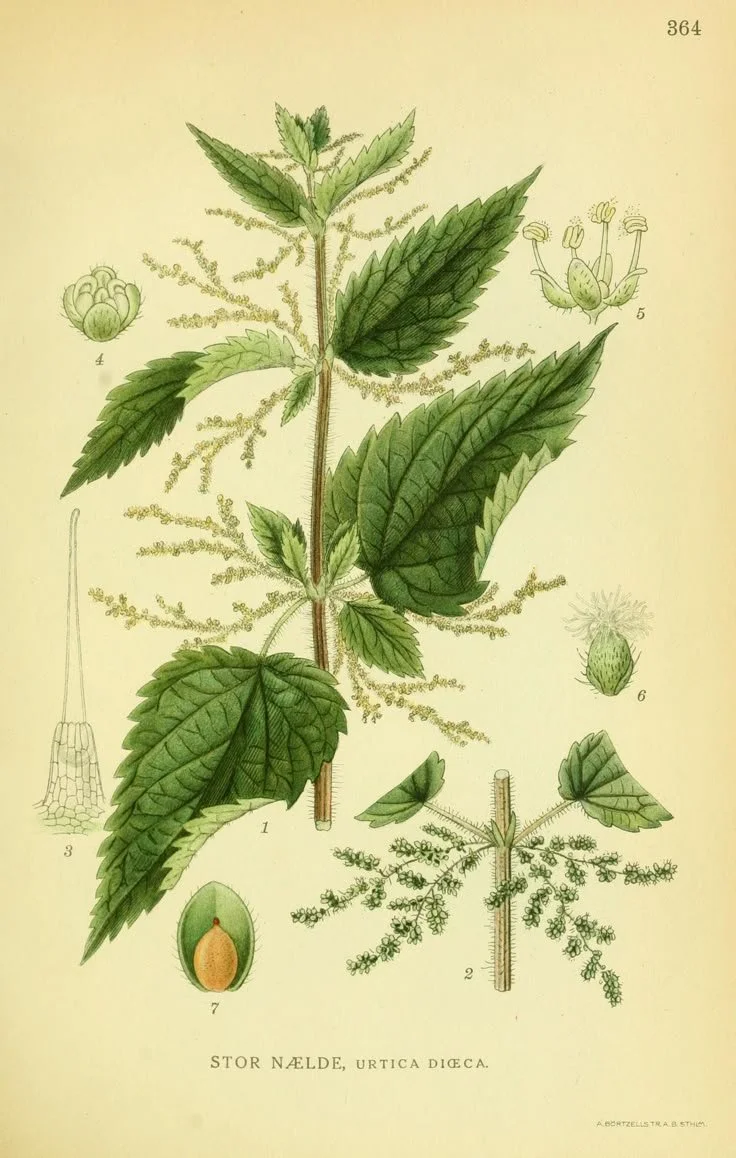
Urtica dioica, Nettle.
Make it stand out
Whatever it is, the way you tell your story online can make all the difference.
The most eccentric plant.
A big part of historical medicine and folklore in Britain.
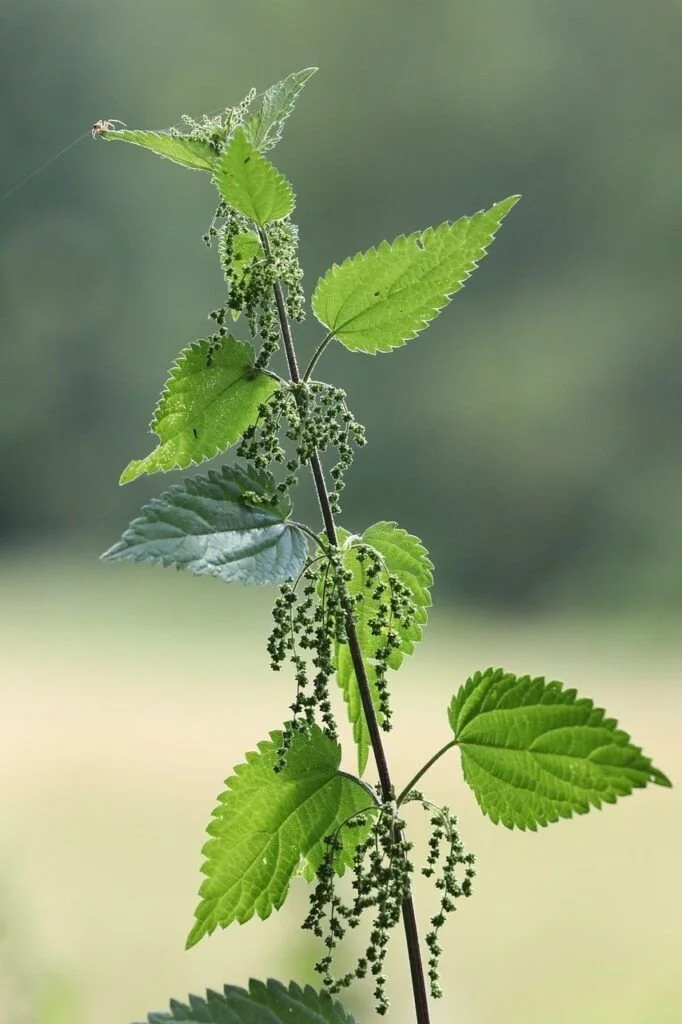
A comedian of all the plants. Nettle, stinging nettle, stings from the tiny
prickles on the underside of its leaves and stem sting intensely when
touched. It is this stinging effect that is effective, though painful, remedy
for arthritis. This sharp sting brings all the oxygen and red blood cells to
the surface.
Roman soldiers unfortunate enough to be posted to the northernmost
edge of their empire, at Hadrians’s Wall, attempted to alleviate their
rheumatism, the seeping cold and perhaps even their boredom by
urtication - flagellating themselves with nettles.
18th Century pranksters invited garden visitors to describe the new found
herb, less well known in those days. The Georgians laughed as the
garden visitors described the plant whilst pulling their nose in as they
grimaced in pain.
There are still annual nettle eating championships in Dorset where the
contestant knows to roll the leaves before consumption, disarming at
least some of the trichomes.
Cooking destroys the sting completely, and makes an excellent soup.
Although a little grassy, they beat spinach for nutrition and win hands
down for smugness on the part of the forager.
MODERN USE
The leaves are used for;
Arthritis, rheumatism, asthma, eczema, skin eruptions, bleeding, low
energy, stopped urine, gravel, kidney and bladder infections, edema,
enlarged prostate, benign prostatic, hyperplasia.
Freeze dried; sinus infection
Seeds; prostate and kidney disorders
Root; prostate troubles.
It strengthens the entire body. Throughout Europe, it is used as a tonic
and general detoxifying remedy. David Hoffman suggests it may be very
helpful internally and topically for myalgia and osteoarthritis. Can be
used topically and joint pain, which involves actively stinging the skin
around the affected joint. The inflammation, and thus the pain and
stiffness, will subside for 4-8 days following application.
Beneficial for eczema, when used internally as an astringent, nettle will
relieve symptoms of haemorrhage anywhere in the body.
Nettles contain hypoglycemic and hyperglycemic constituents. The
hypoglycemic component, termed urticin, can lower blood sugar.
This mars and fire guided plant helps us centre on self care first. Nettles
are good for helping us return to ourselves by removing any energies that
are not our own. Drinking nettles strengthens and shields us from
energies that might be seeking at home.
Nettles build iron in our blood and are useful for haemorrhaging in the
body, including uterine bleeding, nosebleeds, and blood in the urine.
They are a diuretic and offer support to the kidney detoxification process.
DOSAGE & PREPARATION - tincture dosage is
2.5ml to 5ml three times a day 1:5 in 40% To make an infusion, pour 1
cup of boiling water over 1 to 3 teaspoons of dried herb and infuse for
10-15 minutes. This should be drunk three times a day.
The BHP recommends 2 to 4g of dried herb or 2 to 6 ml tincture three
times a day 1:5 in 45% The BHC recommends 5 to 10 ml of fresh juice
three times daily.
CONTRAINDICATIONS &
DRUG/HERB INTERACTIONS - fresh nettle
causes urticaria if applied topically. Internal use may theoretically
decrease the efficacy of anticoagulant drugs.
Avoid it if you have severe kidney disease, are on dialysis, or have fluid
retention due to congestive heart failure. Nettles may interfere with
blood anticoagulant medication.
RECIPE

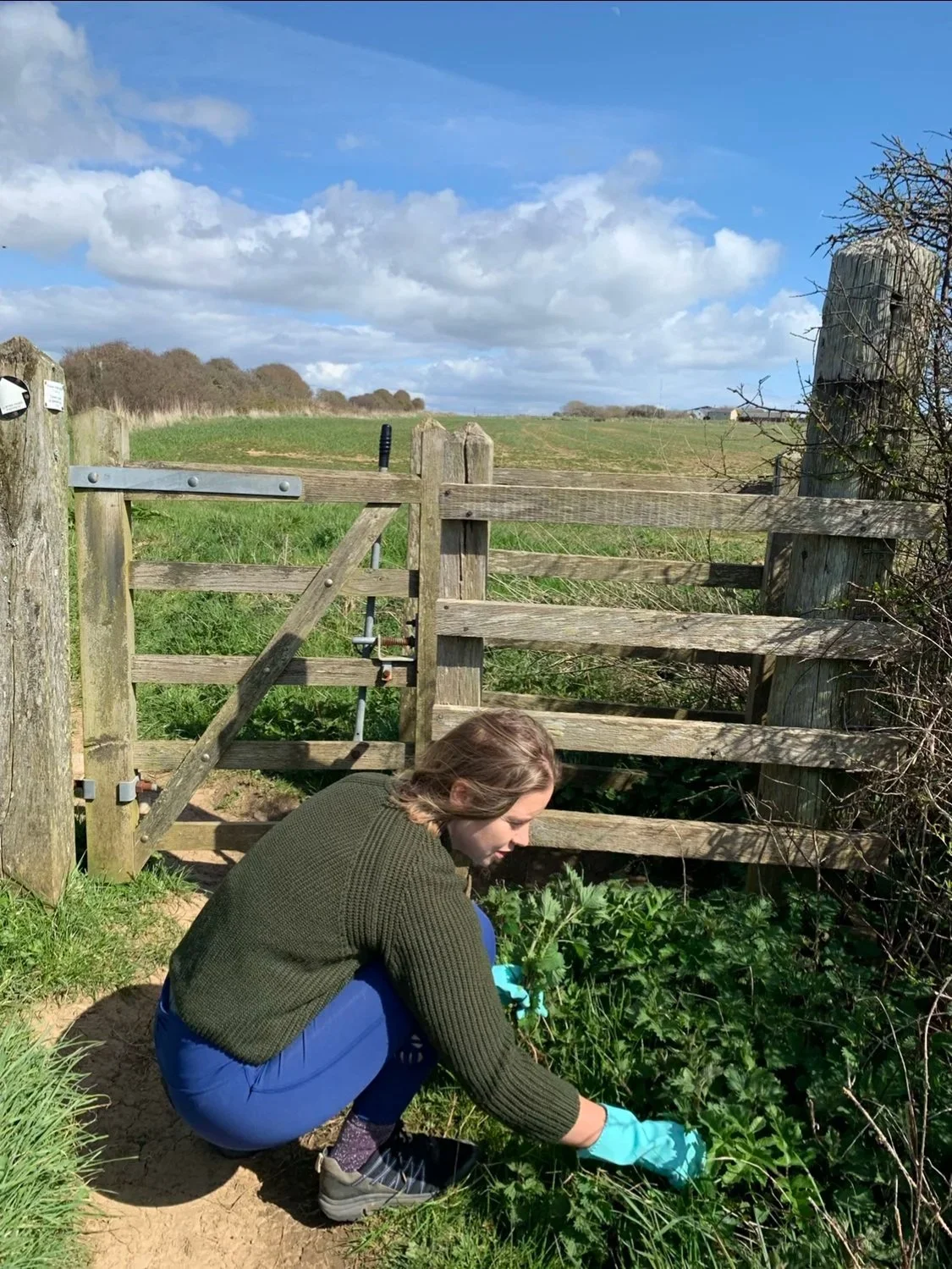
2 large Handfuls Fresh Stingy Nettle Leaves, washed – *picked wearing
gloves*
3 cloves Roasted Garlic Cloves
1/2 cup/75g Roasted Hazelnuts
Zest & Juice of Half a Lemon
2 tbs Nutritional Yeast
1/2 cup Extra Virgin Olive Oil
Steam or boiling your washed nettle leaves for 3 minutes. Transfer them
to a food processor with the roasted garlic, hazelnuts, lemon, miso,
nutritional yeast & olive oil. Blitz until it becomes a smooth paste.